How to Care for a Cat to Keep It Healthy: A Guide for Beginners

Proper care is essential for cats, as these adorable animals can be susceptible to illness if their health is not maintainedDifferent breeds may have varying care requirements and needs; however, the following steps serve as a foundation for caring for your beloved cat.

Caring for a pet like a cat requires patience and care, especially if it is your first time owning oneNaturally, you want to ensure your cat is healthy and happy living with youTherefore, it is important to know the proper way to care for them.
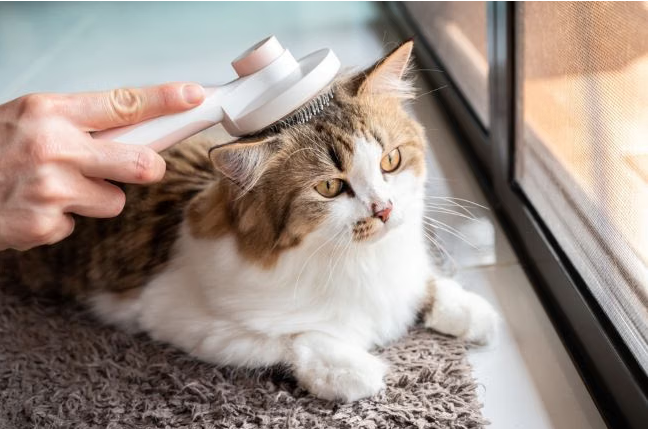
With the right care, your cat can live a healthy, happy life, free from stress and various diseases.

Every cat has a unique personalityThis results in diverse temperaments, meaning care routines should be tailored to the individual cat’s nature and preferences.

Here are some care practices you can implement:

1Provide nutritious food

Cats are carnivoresConsequently, they need to be fed meat, fish, and eggs to meet their nutritional requirements, such as protein and fatYou can also offer plant-based foods—such as vegetables, fruits, and legumes—though these should be given in smaller quantities compared to animal-based foods.

Nutritious cat food can be provided in dry or wet forms, or as a combination of both.

Before selecting food for your cat, read the nutritional label on the packaging to check for ingredients and determine the correct serving size.

You can also prepare homemade meals that your cat enjoysHowever, to ensure nutritional needs are met, consult a veterinarian regarding the appropriate food types and portion sizes before making your own cat food.

2Avoid foods that are unsafe for cats

Not all foods safe for human consumption are safe for catsTherefore, when feeding your cat, you must avoid items that are unsafe for them, such as chocolate, onions, grapes, raisins, and breadThis is crucial to protect your cat from health issues such as diarrhea, vomiting, or even poisoning.

3Provide drinking water

Another important aspect of cat care is providing clean or boiled drinking waterThis helps prevent health problems like dehydration, diarrhea, constipation, and urinary tract infections.

To ensure your cat stays hydrated, serve water in a clean, shallow bowlChoose a wide bowl or container to make drinking easierAdditionally, place the water bowl in a quiet, easily accessible spot.

Cats also enjoy drinking running water, so you might consider providing a pet water fountain.

4Provide and clean the litter box

To prevent inappropriate urination or defecation, train your cat to use a litter boxTo help them get used to it, place the box in a quiet, accessible areaMake sure to provide fresh litter daily and remove any soiled litter.

You also need to clean the litter box regularly using soap and warm waterThis is vital for preventing the spread of disease-causing microorganisms, such as *Toxoplasma*.

5Set up a sleeping and play area

This is another essential part of cat careTo ensure your cat can rest and sleep comfortably, choose a bed that is soft, warm, clean, and dry.

Additionally, provide a play area to encourage physical activityPlay structures should be sturdy enough for the cat to climb and safe for them to gripA safe and fun option is a cat tree featuring soft, wool-like materials.

6Bathe your cat regularly

In reality, cats are capable of grooming themselves using their tongues and pawsHowever, you should also bathe your cat if it gets very dirty—for instance, after playing outside or being exposed to a lot of dustRegular bathing is also necessary to prevent issues like fleas or fungal infections.

That said, there is no need to bathe your cat too frequently; once every 4–6 weeks is sufficientBe sure to use a shampoo specifically formulated for cats.

In addition to bathing, maintain a grooming routine that includes trimming your cat’s nails and brushing its furTrim the nails every 2–3 weeks so the claws don’t become sharp enough to injure you during playtimeAlso, remember to brush its fur 1–2 times a week to prevent shedding and matting.

Reasons Why Cats Refuse to Eat and How to Deal with It

A cat’s refusal to eat can stem from various factors, ranging from health issues to stressThis warrants attention, especially if your cat has gone without eating for two days or moreTherefore, as a cat lover, it is important to recognize the reasons why a cat might refuse food and how to address the situation.

Cats have a natural ability to mask painThis is why they often only appear ill when their condition has already become severeOne easily recognizable sign of a health issue is a loss of appetite.

A cat’s refusal to eat is usually caused a specific illness or medical conditionHowever, it is not always dangerousSometimes, a cat may simply be a picky eater or dislike the food being offered.

Nevertheless, you should be concerned if your beloved cat still refuses to eat after two days, even when offered its favorite food or treats.

Reasons Why Cats Refuse to Eat

The reasons a cat refuses to eat are often harmless, and the appetite may return on its ownHowever, this issue can also be caused specific medical conditions or illnessesHere are some reasons why a cat might refuse to eat:

1Disliking the food provided

Cats generally become accustomed to the specific brand or flavor of food they are initially fedIf you suddenly change their food, they will easily notice the difference and may choose not to eat it.

Additionally, a cat might refuse food simply because it has grown bored with the menu or flavorUsually, the cat will resume eating normally once it gets hungry, and this is not a dangerous situation.

2Swallowing hairballs

Cats have a habit of grooming themselves—or other cats— licking their furHowever, this habit causes them to ingest significant amounts of furThe swallowed fur accumulates and forms a clump known as a hairball.

An accumulation of hairballs in the digestive tract can cause the cat to feel bloated and uncomfortableThis condition is what ultimately causes the cat to refuse food and vomitHowever, once the hairball is expelled through vomiting or a bowel movement, the cat’s appetite usually returns to normal.

In addition to swallowing hairballs, a cat may sometimes lose its appetite after ingesting foreign objects, such as toys, balls, cotton, or tissues.

3Dental health issues

Dental health problems can be a reason why your cat refuses to eatA cat suffering from tooth pain or gum inflammation will feel uncomfortable or even experience pain while chewing foodThis discomfort and pain can cause the cat to stop eating.

Besides refusing food, cats with dental issues often exhibit other symptoms, such as bad breath, excessive drooling, swollen gums, and even bleeding from the mouth.

4Digestive problems

Gastrointestinal disorders—such as diarrhea, acid reflux (GERD), gastroenteritis, or digestive tract infections—can cause nausea, abdominal pain, and a loss of appetiteIf forced to eat, a cat suffering from digestive issues will often vomit.

Additionally, other conditions like pancreatitis and liver disorders can also cause a cat to stop eatingIf left untreated, these conditions can lead to weight loss and dehydration.

5Respiratory tract infections

Bacterial or viral respiratory infections—such as panleukopenia or the flu—can be causes for a cat refusing to eatWhen affected these illnesses, the cat’s sense of smell or ability to breathe is impaired.

A cat’s appetite is heavily influenced its sense of smellConsequently, when a cat has the flu, its sense of smell is compromised, making it unable to smell its foodThis leads to a reduced appetite and causes the cat to refuse to eat.

Apart from the flu, other nasal conditions—such as polyps or nasal tumors—can also affect a cat’s sense of smell and cause pain, leading the cat to stop eating6Vaccination side effects

Vaccination is one way to protect cats from various diseasesHowever, vaccinations generally cause side effects in some catsOne common side effect following vaccination is a reduced appetite.

You need not worry, however, as these side effects are mild and will resolve on their own within 24 hours.